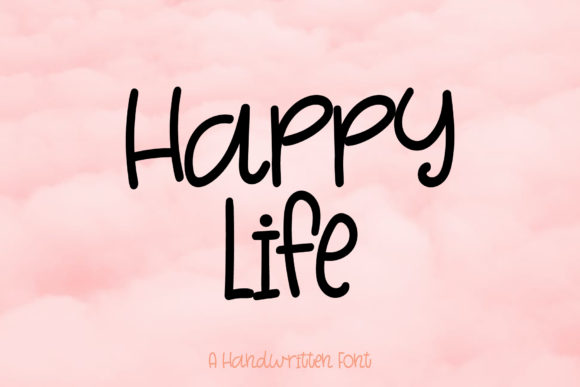
Happy Life: A Handwritten Font for Makers
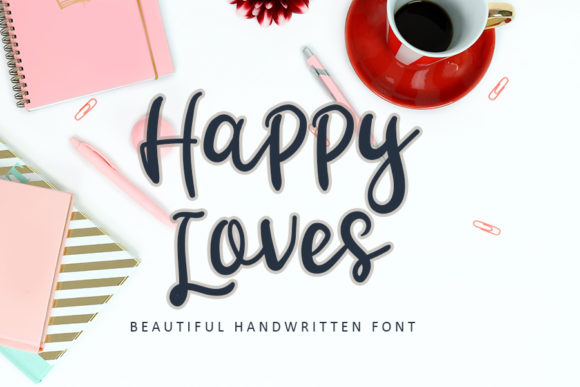
The morning light was just hitting my workbench when I realized the label design for my new soy candle collection felt incomplete. The minimalist sans serif I had chosen was clean, certainly, but it lacked soul. It felt cold against the warm, rustic aesthetic of the amber glass jars sitting in front of me. I needed something that whispered comfort rather than shouting information. That is when I opened Happy Life, a cute, quirky, and simple handwritten font from Script Amp, and suddenly, the entire mood of the project shifted.
As a creator who spends hours cutting vinyl, printing stickers, and refining digital downloads, I know that typography is not just about readability; it is about emotion. Happy Life brings a distinct personality to the table. It does not try to be perfect or overly polished. Instead, it embraces the slight irregularities that make handwriting feel human. For those of us running handmade shops, creating printable planners, or designing wedding stationery, this authenticity is gold. It bridges the gap between a mass-produced item and a cherished keepsake.
Bringing Warmth to Product Labels and Packaging
One of the most immediate applications for this typeface is in packaging design. Whether you are sealing a bag of homemade granola, labeling a small batch of soap, or tagging a knitted scarf, the font you choose sets the expectation for quality. Happy Life works exceptionally well for short phrases, product names, and decorative wording. Its simplicity ensures that even at smaller sizes, such as on a round sticker or a narrow hang tag, the letters remain legible while retaining their charming character.
I recently tested it on a set of boutique clothing tags. By pairing Happy Life with a clean, thin sans serif font for the care instructions and size details, I created a balanced hierarchy. The handwritten style drew the eye to the brand name, creating an emotional connection, while the secondary font provided the necessary clarity. This combination is a staple in modern typography for brand identity because it feels curated yet approachable. It tells the customer that a real person made this item, with care and attention to detail.
Elevating Wedding Stationery and Invitations
Wedding season is always a busy time for invitation designers and printable creators. Couples are increasingly moving away from stiff, formal scripts toward designs that reflect their genuine personalities. Happy Life fits beautifully into this trend. It is quirky enough to stand out on a save-the-date card or a wedding welcome board, yet simple enough to remain elegant.
When designing a suite of wedding materials, consistency is key. Using Happy Life for the couple’s names or the main header creates a focal point that feels personal. For the body text, such as the venue address or RSVP details, I recommend pairing it with a classic serif font or a neutral sans serif. This contrast prevents the design from feeling too casual while maintaining the warmth of the handwritten element. It works particularly well for rustic, bohemian, or minimalist wedding themes where the goal is effortless charm rather than opulent decoration.
Perfect for Digital Downloads and Printables
Beyond physical goods, Happy Life is a fantastic asset for digital products. If you create planner pages, wall art prints, or social media templates, this font adds a layer of creativity that standard system fonts cannot match. Imagine a motivational quote poster for a home office. The quirky nature of the letters makes the message feel like a friendly note from a friend rather than a corporate mandate.
For Cricut and Silhouette users, the simplicity of the font is a major advantage. Complex scripts can sometimes cause issues with weeding vinyl or cutting intricate details. Happy Life, being a simple handwritten font, cuts cleanly and adheres smoothly to surfaces like mugs, tote bags, and shirts. This reliability saves time during production, which is crucial for small business owners managing inventory and orders. It allows you to focus on the creative aspect of your shop rather than troubleshooting cut files.
Readability and Design Best Practices
While the charm of Happy Life is undeniable, practical application requires attention to readability. Because it is a display font with a handwritten feel, it is best suited for titles, headers, and short bursts of text. Avoid using it for long paragraphs or dense blocks of information. The quirks that make it endearing can become distracting if overused.
When preparing mockups for your online store, test the font at various sizes. Ensure that the spacing between letters, or kerning, allows each character to breathe. On small items like jewelry tags or mini stickers, you may need to increase the font size slightly to maintain clarity. Always check the included styles and alternates if available, as these can help you customize the look to fit specific design assets. For instance, using a swash or alternate letter for the first character of a word can add a unique touch to logo design or editorial design projects.
Licensing and Commercial Use
Before integrating any new typeface into your commercial workflow, it is essential to review the licensing terms. Happy Life is designed for creative use, but understanding the scope of the license protects your business. Check whether the font supports multilingual characters if you plan to sell internationally. Verify if the license covers physical merchandise, such as printed t-shirts and mugs, as well as digital downloads like editable templates.
Using a premium font like Happy Life responsibly ensures that your brand identity remains professional and legally sound. It also supports the developers who create these valuable design assets. When you invest in high-quality fonts, you are investing in the perceived value of your own products. Customers may not consciously notice the font choice, but they will feel the difference in the overall presentation. A cohesive, well-typed design signals quality, care, and professionalism.
In the end, Happy Life is more than just a set of letters; it is a tool for storytelling. It helps transform a simple candle label into a warm invitation to relax, or a plain greeting card into a heartfelt message. For makers, sellers, and designers, it offers a blend of quirkiness and simplicity that is hard to find. By incorporating this handwritten font into your next project, you bring a touch of humanity to your creations, reminding your customers that behind every product is a happy life, creatively lived.